
 by
by The governments, global businesses, and other entities are also changing for the better. Brands such as Unilever and IKEA are spending extensively on reusable packaging and are providing easy access to sustainable options. This handbook is meant for beginners and outlines realistic and doable steps.
Each category of the handbook emphasizes simple steps which can be incorporated into contemporary lifestyles to develop long-term habits without creating stress or incurring costs.
Mindset First: Unlocking the Definition of “Zero Waste”
Zero waste is a mindset change rather than a change in consumer goods. Many people beginning the journey think they need glass containers, bamboo products, or alternative stores. But a valid question is why buy more stuff?
Progress Over Perfection
Lack of progress leads to burnout and guilt, in turn making way for early dropouts. Motivation builds as one’s actions are seen as being in line with their values. People have their own motives for wanting to take action.
Perhaps it is to save the environment; perhaps it relates to health or saving money. Finding one’s motive makes it simpler to stick to good habits during busy times.
Tracking Small Wins
Keeping track of small victories like the reduction of trash bags weekly helps to promote success and maintain a sense of motivation driven not by idealistic expectations but by realism.
Begin With a Home Waste Audit
One way for beginners to start is with a home waste audit. Instead of speculating about what is creating wastage in the home, an audit provides clear information about what is happening in clear patterns. The procedure entails looking at what is being discarded in a two weeks period without altering any behavior.
Understanding Waste Patterns
Finding that most households find their trash dominated by food packaging, take-away containers, and personal care items helps to concentrate on the most important changes that will give the greatest outcome. A notebook and phone scribbled notes would be enough for this purpose.
Identifying Recurring Waste
- Look for recurring items
- Identify snack packaging or delivery boxes
Translating Observations Into Action
Reducing or eliminating a major source in the high frequency category alone may lower the total garbage. The reason why many sustainability projects supported by the Ellen MacArthur Foundation advocate performing audits is that decisions come from data instead of assumptions.
Functional Swaps That Reduce Waste
Rather than matters of sustainability aesthetics in 2026, there is a shift in functional influence. The best alternatives involve replacing products already used regularly. They decrease daily waste and become habitual practices if kept visible and within reach.
Avoiding Unnecessary Eco Purchases
Rechargeable batteries are one such example where practicality beats trends. Simple planning over extremes allows waste reduction without lifestyle disruption.
Reducing Food Waste at Home
Easy habits such as checking the fridge before grocery shopping and grasping the meaning of expiration dates can avoid unnecessary throwaway trash.
Extending Food Life
Many types of food are still good beyond their best before dates, particularly dry and chilled foods.
Practical Storage Habits
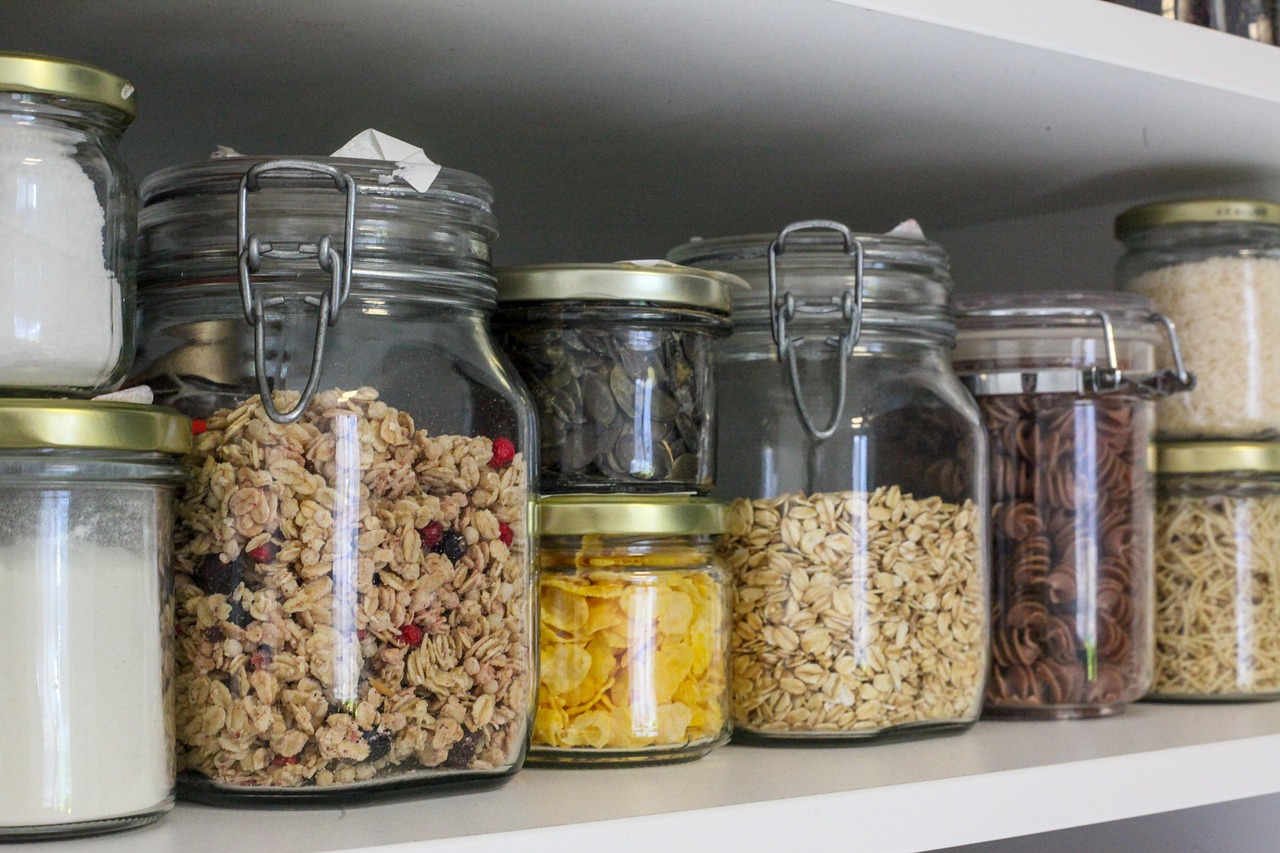
- Use transparent containers so that food is visible
- Keep herbs immersed in water instead of plastic bags
- Portion leftovers and freeze them
Such minor changes increase food shelf life without requiring much extra effort.
Composting and Disposal Solutions
Many cities today have facilities that encourage home compost bins and community compost options. Consumption behavior impacts waste more than a household item.
Urban Composting Solutions
As of 2026, convenience purchasing is dominant, but consumers also possess sustainable purchasing choices they never had before.
Evaluating Beyond Price
Examples of large organizations include Amazon, and they have increased their delivery options that entail less packaging.
Using Technology to Shop Smarter
Apps and browser extensions are now available to assist consumers in discerning sustainability ratings, materials, and commitment levels. Reducing purchases that are made less frequently, purchasing products of better quality, and forgoing purchases that are prompted by trends automatically deter waste while providing better value.
Zero Waste on a Shoestring
Often, one of the most pervasive myths regarding zero waste has to do with costs. In truth, waste management can actually save a person money in the long run. The best ways to follow a zero waste policy are to buy less, reuse as much as possible, and take care of what you already have.
By resisting impulse buys and single-use items, there are fewer expenses each month. For many families, grocery and home supply bills are reduced months after adopting this mindset change.
Community and Accountability
Living a zero waste life becomes simpler when done in community with others. In 2026, living sustainably is a social movement that involves not only community groups but also online resources and one’s place of employment.
Being in a group adds to accountability. Witnessing others working towards similar goals makes it less stressful and makes slow improvement normal.
Local and Global Support Systems
There are also local zero waste communities which hold different events such as clean-up initiatives and swapping events. Such events promote reusing and thereby reduce the need to go for new purchases.
The community is also aided by programs initiated by the United Nations Environment Programme.
Online Platforms and Digital Accountability
Online platforms such as Reddit have very active zero waste communities where newbies can post their queries and progress. Writing goals down where they might be seen promotes accountability and makes sustainable living a reality.
Strengthening Zero Waste Through Everyday Behavior
Everyday habits are what ensure whether or not zero waste initiatives are long-lasting. While making changes once is helpful, doing things repeatedly makes all the difference in the world.
The significance of utilizing sustainability based on habits is clearly understood in 2026 as being more effective than making eco-friendly decisions every now and then.
Habit Formation in Daily Life
Simple actions like transporting a refillable water bottle or not accepting packaging become deeply ingrained. These steps eliminate choices and waste reduction becomes effortless.
Designing Your Environment for Success
- Carrying reusables in a regular bag
- Leaving leftovers out at eye level
- Creating reminders for purchasing refill shopping
Tracking Progress Without Complexity
For 2026, simple means of monitoring and tracking will truly be better than the complex means of monitoring sustainability. Change is not about getting to a complete zero immediately.
Change is about reducing waste produced compared to the historical methods being employed.
- Use fewer trash bags each week
- Less supermarket waste
- Reduced expenditure on disposables
Think tanks such as the World Resources Institute identify behavior shift as important for a tangible success of sustainability efforts.
Learning From Trusted Institutions
The World Economic Forum publishes information on waste management and consumer responsibility. Accurate information promotes confidence, and conflicting information about sustainability could cause confusion.
Summary
A zero-waste living approach for 2026 is not about living frugally and having very little and being rid of all trash. Rather, living zero waste is about living wisely and reducing trash in a thoughtful and informed manner.
Everything from mindset transformations and food organization to community help and habits all adds up to real change.