 by
by The modern home has ceased becoming only a space for sleeping or holding belongings. For most people, the home has become an office, a place for recovery, or a psychological refuge. With the extension of work hours and the rising noise triggered by technology, having serenity within one’s home has become more functional than aesthetic.
The calm zone does not necessarily mean luxury interiors and expensive renovations. It means more about how to build a very conducive environment that reduces cognitive load, fosters focus, rest, and emotional well-being. Its environmental impacts on the levels of stress, sleeping quality, and moods have been emphasized time after time by both psychologists and interior well-being designers.
The following article represents the ways one can convert any space into an area of peace by using thoughtful yet realistic means. Each section in this article will deal with only one aspect to help you create your peaceful place step by step.
How Calm Environments Support the Brain
Calm environments support a brain and don’t work against it. Clutter, intensive lighting, and noise all demand for a brain to be on guard. Calm environments communicate safety, order, and predictability.
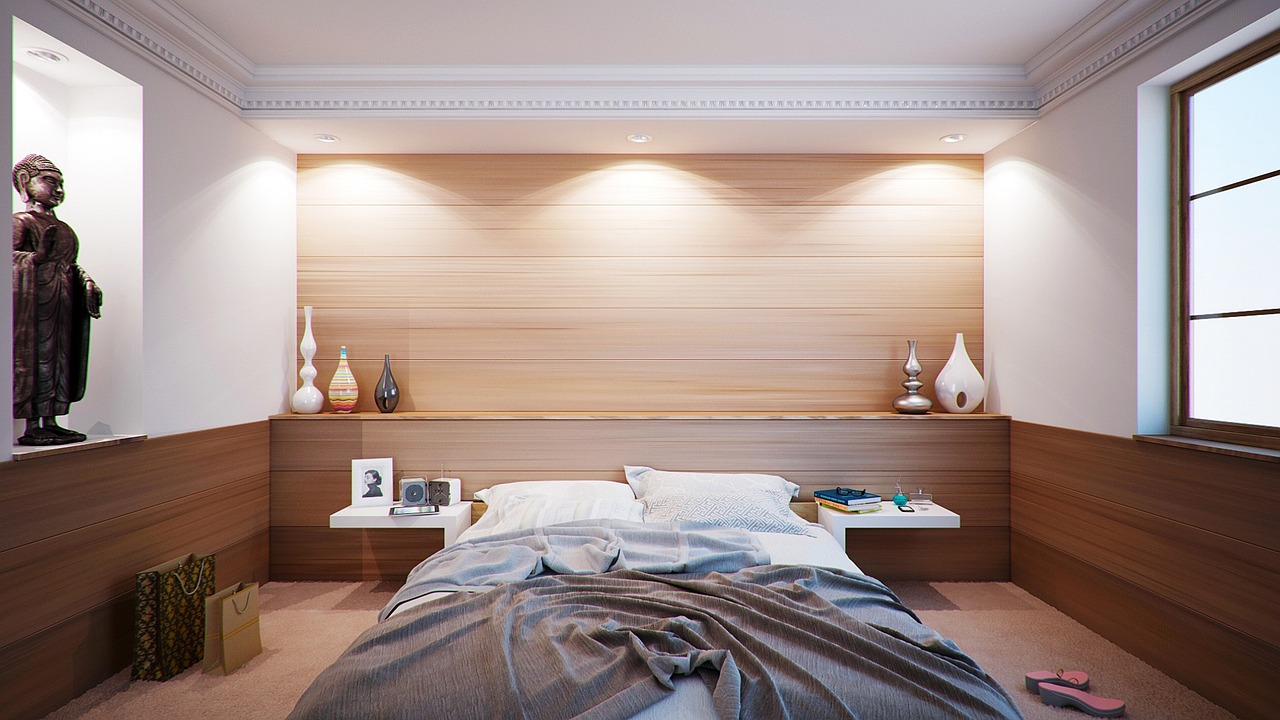
Several interior designers who work with wellness brands like IKEA and Muji encourage simplicity because the brain can process fewer stimuli that compete for its attention. Clean lines and minimal colors married with open space help to reduce cognitive fatigue that may come with the end of a busy day at the office.
A chill zone is also indicative of personal comfort, not trends. The things that appeal to one person, tone down others and are found to be either empty or cold. It involves emotional comfort, not design.
Helpful Psychological Ingredients of Calm Spaces
A typical unwinding space shares some common psychological characteristics. These features clear decision fatigue and visual noise, allowing the mind to pause more easily on its own.
- Balance with few focal points
- Color harmonies
- Familiar objects placed on purpose
Overcoming Common Calm-Zone Pitfalls
Mostly, people try to achieve such a mood by having pictures copied from minimalist photography on the web. In effect, one removes much and loses in the process the warmth. Instead of trying to eliminate personality, eliminate excess.
Remove everything but the elements that are significant to the composition and eliminate the source of visual competition. Serenity is derived from simplification, not deficiency.
Decluttering with Intention, Not Perfection
Removing clutter is the key to having an organized room, but it is often confused. The aim is not to own fewer possessions; it is to own what you need for your life. Clutter adds more stress in terms of unfinished decisions because every piece of clutter serves as evidence of something not done.
Professional organizers who have followed the work of Marie Kondo discussed harmonization instead of rules to follow. Items should be easy to find, and everything should have a purpose for the space to feel light and easier to deal with.
A Working Approach to Decluttering
- Group like things together
- Take away the doubles you never use
This technique creates speed and controls it too. Calming zones cannot succeed if systems are difficult to maintain. Storage shall be designed to fit habits, not ideal behaviour.
Open baskets, labeled boxes, and storage displayed from stores like The Container Store dispel barriers. Effortless storing, and serene becomes reality.
Color, Light, and Materials Applied in Stress Relief
The color and the light directly affect the nervous system. The natural colors relaxed, whereas contrast and brightness awake the human system. Colors recommended in interior design research for wellness include warm beige shades, soothing greens, and soft blues.
These colors mimic nature and can be found in hospitality interior design in the development of wellness hotels targeting relaxation. And just as important are the lighting considerations. White ceiling lights can appear quite institutional, particularly at night.
Choosing the Right Light Layers
It is a quiet room with layered lighting. There is not just one source of lighting.
- Ambient lighting for general softness
- Task lighting for specific tasks
- Warm accent lights relaxing on evening
Brands like Philips Hue even allow the user to manage tone and intensity, which helps natural circadian rhythms.
Natural Materials and Texture
Materials have a subconscious effect on comfort. A quiet place or zone is created as much by that which you hear and that which you smell as by that which you see. If there’s background noise, then your nervous system stays alert, and that’s when you’re actually relaxed.
That’s why the living quarters close to traffic, appliances, or digital notifications are full of invisible tensions that consequently accumulate throughout the day.
Others use low-level ambient sound or natural sounds to offer consistency in wellness spaces. Bose and Sonos are the two companies trying to implement speaker systems that distribute sound uniformly so that no loud and sudden audio level transitions occur.
Noise Management Without Isolation
Too little background noise is not a good thing, either. The balance has to be appropriate. The addition of wall hangings or bookshelves will also convert these acoustically hard environments into much more pleasing spaces.
Furniture Arrangement and Natural Flow
Couch positioning towards big-screen furniture arrangements and relaxation brings a lot of significance. Poor positioning, on the other hand, creates tension since one has to change movement and focus all the time. Positioning in a quiet area guarantees free movement.
Designers advise leaving pathways for walking and not crowding the space. Even very expensive items of furniture may cause stress when there is a constricted movement area. Balance is always more important than symmetry.
Creating Zones in Just One Room
Purpose areas are used effectively in big or communal spaces. It avoids switching in the mind regarding activities. Zones also help to relax the human brain faster.
- Reading nook-one chair
- Organized work space with minimal objects
- Screen-free rest area
Comfort or Statement Pieces: Which One Can You Decide On?
Large-scale or statement furniture pieces tend to dominate a room emotionally. IKEA‘s ergonomic comfort is the stress of its furniture brand, for one thing, because mental peace is allied with physical ease. Choose works that invite usage, not contemplation.
Limitations of Technology and Digital Serenity
While technology is necessary, all it takes to disrupt calmness due to connectivity is notifications, screen light, and background playlists. All these factors keep the mind in a semi-alert and awake condition even during rest time. The calm space needs to have boundaries between necessary use of technology and unnecessary digital noise.
Wellness-oriented designers now design the screens much more like houseware products and less as interior items. Screens are put away, such as laptops and televisions, and not left out for visibility.
In fact, the likes of Apple and Google are now propagating digital well-being as a way to cope with the mental strain associated with overexposure.
Managing Screens with Intention
- Keep screens out of kids’ bedrooms
- Eliminate visible cables and electric strips
- Only turn on notifications where necessary
These changes reduce mental distractions without influencing productivity.
Creating Screen-Free Ritual Zones
There are places which should have an immediately conveyed meaning of rest. Reading corners, eating areas, or meditation zones are best gadget-free zones. And once it realizes that a space does not have any screens, it relaxes much faster.
Everyday Practices Maintaining an Untroubled Surroundings
An area that is calm in nature can only have that effect if it is supported by habits that are equally as calm. Otherwise, the place will fill up with clutter and stress. It is this ease of habits that begets predictability and is thus reassuring to the brain.
Many proponents of productivity talk about the ways through which one resets things faster, and not necessarily cleaning everything.
- Reset surfaces before bed
- Open windows for fresh air
- Put things in their places
These steps are in minutes, yet they protect the atmosphere of your space.
Harmonizing Space and Lifestyle Changes
Life is dynamic, and space must move right along with it. A quiet area needs to adapt with the working patterns or requirements pertaining to the family or the level of energy.
Conclusion
Meditation is creating a serene environment, understanding how the environment influences the mind. Serenity is achieved through the use of layers. Decluttering removes noise; good designing optimizes flow; balancing the senses comforts the nervous system; and boundaries shield the mind.
Truly effective calm spaces mirror reality. They include motion, character, and variation without including chaos.