
 by
by Purpose of This Guide
This is because this guide is intended to provide insights on how to choose relaxing colors in an effective manner. Every section of this guide will highlight one point about relaxing color picking, along with design concepts used in actual designs performed by brands like IKEA and Sherwin-Williams. This is done to help one create an environment that is not only aesthetically appealing but balanced as well.
Understanding How Color Affects Mood
Color impacts the brain faster than words or objects. When you enter a room, the brain responds to colors before it becomes conscious of the furniture or design in that room. Relaxing colors relax the body by reducing visual stimulation so that the body can relax.
Researches introduced by bodies such as the American Psychological Association highlight that less saturated colors can help a person limit his or her stress response, whereas intense colors can help a person stay alert. This is why bedrooms, prayer rooms, or reading rooms are painted less often in saturated colors.
Psychological Reactions to Colors
Cool, neutral colors are deemed less challenging to process by the brain. These colors provide relief to eyes because they allow them to relax rather than struggle to focus. This promotes a feeling of security, relaxing the individual.
Warm or bright colors could be stimulating, but in large doses, could contribute to tension rather than comfort.
Why Personal Sensitivity is Important
Not all people respond to color in the same manner. Cultural associations, memory, as well as everyday behavior, contribute towards perception-related factors. It’s a good practice to test samples prior to finalizing and be assured of its relaxing effects on you.
Selecting Calm-Neutral Colors for a Balancing Room
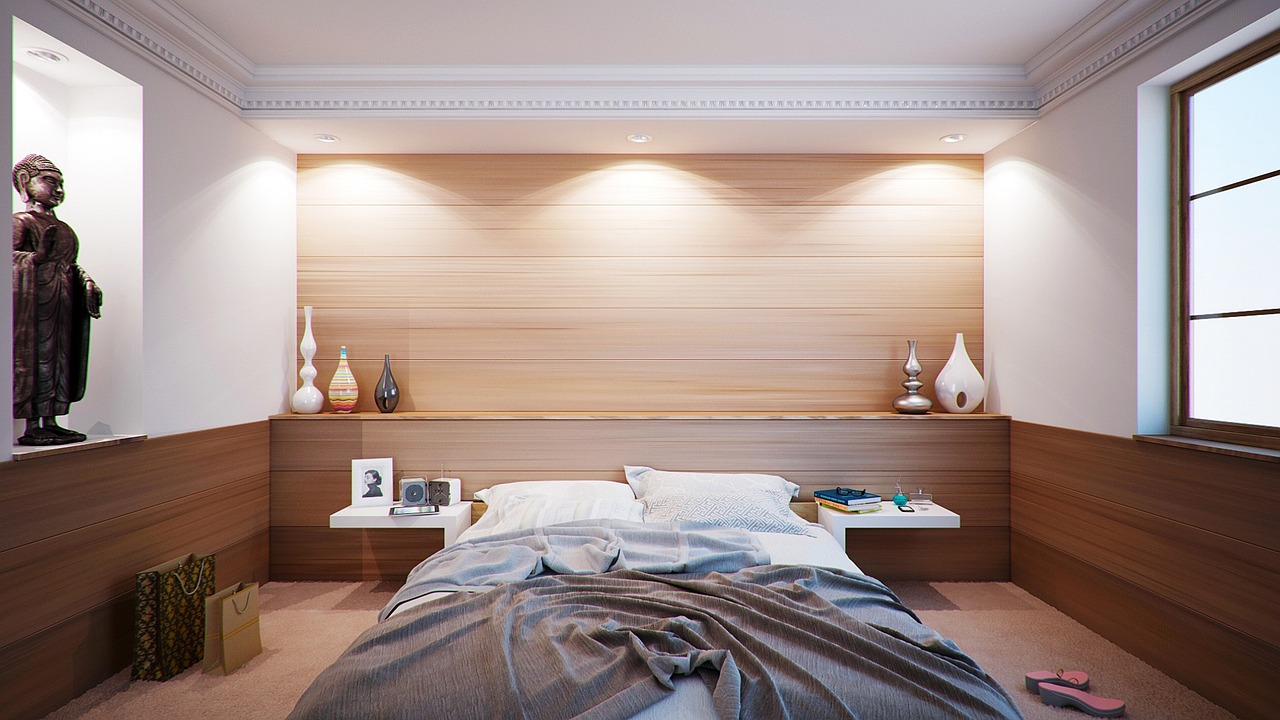
Opaque colors are considered the basics of calm rooms. The colors balance without accentuating and allow the mind to relax as opposed to being mentally awake when visually exposing oneself to them. Some of the major opaque colors used in calm rooms include soft white, beige, greige, and warm gray.
Adding Warm Tones without Over-Stimulating Them
Warm colors tend to be soothing but overwhelming if done in excess. Relaxing areas employ warmth in a supporting rather than a focal manner for design.
Picking the Appropriate Warm Colors
Warm colors can be quite soothing when they’re earthy and muted. A light terracotta shade, a peach color, or a warm beige is even better than a bright red and orange in terms of its effects on your eyes.
Avoid high-contrast warm colors on walls, as it tends to stimulate alertness instead of inducing relaxation.
Where to Use Warm Colors
Accent walls, bedcovers, and cushions bring warmth to the space without dominating it. It prevents the space from looking unbalanced and tiresome.
Finding Colors to Match Natural Light
Natural light affects how colors look. An effective relaxation color for one room will not be so effective for another room depending on the lighting. This ensures that you have a relaxing color all through.
Those rooms where sunlight is abundant can support a slightly cooler tone because sunlight will eliminate the hardness created by the cooler tones. Rooms with low illumination require warmer shades to counteract the chilliness created in the room.
Understanding Light Direction
By nature, north-facing rooms get colder light, which may make some colors look flat. Warm and neutral colors may look even better in such rooms.
South-facing rooms get warmer light, which makes cool colors look softer and well-balanced.
Testing Colors Before Commitment
Color samples should always be tested not only on graphics but also on walls. Comparison in the morning and evening lights will ensure that such colors always have a relaxing effect.
Using Color Consistency Throughout the Room
This consistency helps the mind relax. Securing brands such as IKEA sometimes use a consistent color scheme to create a calm showroom environment. This minimizes cognitive strains in the showroom.
Restricting the Color Palette
Having two to three main colors provides unity to the room. Just one main primary or calm color, one supporting neutral color, and one accent color should be sufficient.
There may be too many accent colors that disrupt the peacefulness.
Accent Colors That Promote Calmness
Accent colors are secondary to the relaxing room design. The intent of accent colors is certainly not to be bold, but to add to the coloring scheme of the room.
Relaxation rooms will typically utilize subdued color accents as opposed to strong contrast. Muted olive, blue, or stone will be effective as they integrate easily in a neutral or cool color scheme.
Residential interior brands such as Dulux or Sherwin-Williams will suggest subdued accent colors for a relaxation room.
Selecting Soft and Less Contrasting Accents
The accent colors should remain similar to the dominant colors. The change in tones looks more soothing than contrasting colors.
Very saturated colors may excite, but they may also disturb rest if they appear too regularly.
Avoiding Common Color Mistakes
Often, it is difficult for some rooms to have that relaxing effect due to some coloring mistakes that are quite visible and easy to make. One of such tremendous coloring mistakes is choosing colors based on trends and not on their practicality.
Using Too Much of Bold or Dark Colors
Black colors tend to be comforting but could be heavy when used in excess. Although dark colors may be used in compact rooms to minimize a sensation of congestion.
Dark colors require corresponding highlights and natural materials.
Neglecting the Function of the Room
Colours should coordinate with their functions. If colours have energising effects, they can be used in working areas but not necessarily for resting rooms or quiet rooms.
Conclusion
Selecting calming colors for a bedroom involves a very thoughtful approach that can be described as having inputs from psychology, lighting, and personal comfort. Colors work in their way to promote or reduce alertness or relaxation, and they do that very subtly, not in a way that is aimed at grabbing attention.
Blank bases, cool coloring, and harmonious warm coloring provide a starting basis for relaxation design. Colors used for walls, furniture, and design consistently allow for easy visual processing, whereas design accents provide needed warmth without promoting excessive stimulation.